Dominating the AI-Search Era: How Answer Engine Optimization (AEO) Can Transform Your Business in 2025
In a digital landscape where search results are increasingly curated by AI-powered engines and voice assistants, simply ranking on page one of Google isn’t enough anymore. With Answer Engine Optimization (AEO) you position your brand as the authoritative answer—capturing the spotlight of tools like ChatGPT, Gemini and Perplexity before your competitors even appear in blue links. At AEO Growth Agency, we help businesses stop being just found, and instead become chosen.
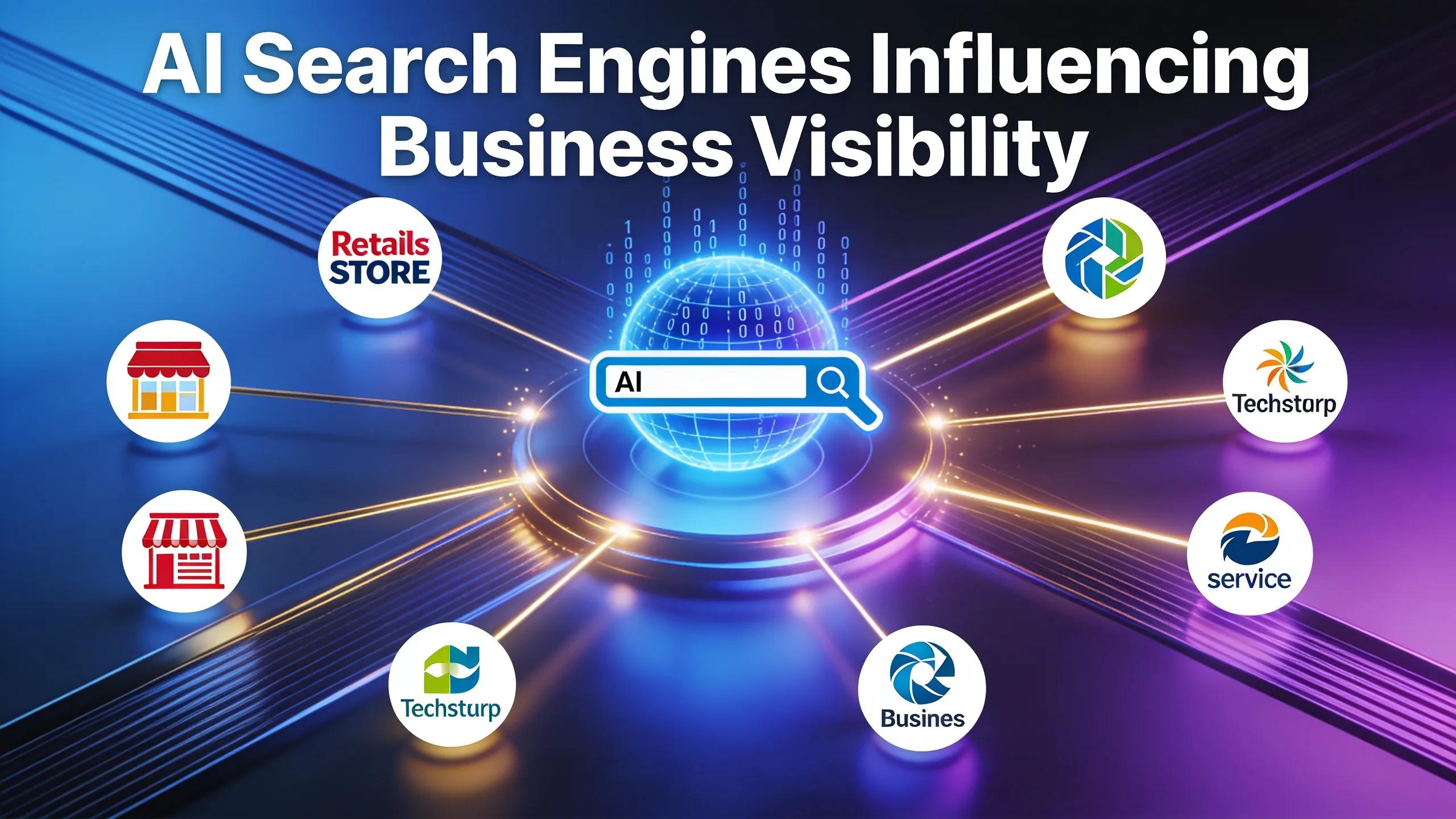
How AI Search Engines Decide Which Businesses to Mention
How AI Search Engines Decide Which Businesses to Mention: Key Ranking Factors and Optimization Strategies
By Sean Hyde, Grow with AEO
AI search engines now determine which businesses appear by running complex models that weigh signals such as semantic relevance and user engagement. Grasping how these systems evaluate entities helps businesses target the right improvements. This article explains the key ranking factors and offers practical optimisation tactics to strengthen online visibility.
Adapting to evolving AI-driven search is essential as user behaviour shifts. Below we cover ranking factors, optimisation techniques, algorithmic impacts, entity optimisation, structured data, voice search, and expected trends through 2026. Organisations can work with partners like Grow with AEO to apply these strategies.
Key Ranking Factors
AI search engines rely on a set of core signals to rank businesses. The most influential include semantic relevance, structured data, content quality, and user engagement. Knowing these signals helps prioritise the optimisation work that delivers measurable impact.
Semantic relevance measures how well content matches a user’s intent and context. Structured data gives search systems standardised facts they can parse easily. Content quality signals usefulness and authority, while user engagement metrics—like click-through rates and time on page—show how effectively content satisfies users.
Optimization Strategies
To improve AI visibility, companies should apply targeted optimisation practices: answer-focused content, continual content refinement, voice search alignment, and consistent local listing management.
Answer Engine Optimization: Focus on creating content that directly addresses user queries by providing clear, concise answers. This helps businesses become authoritative sources on specific topics, enhancing chances for better ranking.
Continuous Content Optimization: Regularly updating existing content ensures it remains relevant and aligned with evolving algorithms and user expectations. Fresh content signals to search engines that a company's offerings are current.
Voice Search Optimization: With the rise of voice-activated searches, adapting content to suit conversational queries can help capture a broader audience. This involves using frequently asked questions and natural language throughout online content. For advanced tactics in this area, see the detailed guidance at voice search marketing.
Local Listings Maintenance: Keeping business profiles on platforms like Google Business Profile up-to-date helps businesses appear in local search results, driving targeted traffic and enhancing visibility.
These tactics form a practical roadmap for improving AI-driven search outcomes. Grow with AEO specialises in lead generation and can help tailor these best practices to a business’s specific needs—see their approach to AEO marketing.
How Does This Fit Into Answer Engine Optimization (AEO)?
Understanding how AI search engines choose which businesses to mention is only one piece of the puzzle. The broader strategy is known as Answer Engine Optimization (AEO)—the process of optimizing your website, business information, and digital presence so AI-powered search platforms can confidently understand, trust, and recommend your business.
Instead of focusing only on traditional search rankings, AEO helps businesses earn visibility across AI search experiences like ChatGPT, Google AI Overviews, Gemini, Perplexity, and voice assistants. It combines entity optimization, structured data, high-quality content, and authority building to increase the likelihood of being included in AI-generated answers.
If you're new to the concept, read our complete guide:
→ What Is Answer Engine Optimization (AEO) and Why Small Businesses Need It Now
Effects of Algorithmic Changes
Ongoing updates to AI search algorithms directly affect which businesses are visible and how they rank. Organisations must monitor changes and adjust tactics to retain or improve their positions.
Notable effects include the growth of zero-click searches, where users receive answers without visiting a site, benefiting businesses optimised for direct answers. AI-driven discovery personalises results, rewarding tailored engagement, while shifting market dynamics require continuous strategic adaptation to stay competitive.
What Are the Primary AI Business Ranking Factors in Search Engines?
The main factors influencing AI business rankings are entity authority, effective use of structured data, content freshness, and alignment with user intent. Mastering these areas supports stronger performance in AI-filtered results.
How Do AI Search Ranking Algorithms Evaluate Business Entities?
AI ranking systems use a hybrid retrieval pipeline that aggregates multiple data sources to judge relevance. Ranking models weigh signals like quality and engagement, while synthesis models incorporate real-time interactions to refine outputs based on current user behaviour.
What Trust Signals and Attributes Influence AI Recommendations?
Trust signals guide AI assessments of credibility. Alignment with user intent, consistent content quality, and demonstrable entity authority all contribute to trust. Businesses that reliably match queries and provide accurate information gain improved visibility.
How Does Advanced Entity Optimization Improve AI Business Mentions?
Advanced entity optimisation raises a business’s profile by covering relevant semantic topics, supplying concise answers, and preparing content for voice interactions. This creates coherent signals across platforms and increases the chance of AI-driven recommendations. Learn more about voice search optimisation.
What Role Do Structured Data and Schema.org Types Play in AI Visibility?
Structured data and schema.org types supply search engines with standardised facts—products, services, attributes, and locations—so systems can interpret content context correctly. Proper markup makes it easier for AI to surface accurate business information.
Using structured data improves a site’s searchability, allowing engines to extract reliable facts directly from profiles and pages. That direct extraction drives customers and strengthens trust; following best practices keeps that benefit sustainable.
How Can Businesses Implement Semantic Entity Linking Effectively?
In this context, it's worth considering research that delves into the intricacies of voice search optimization and its strategic importance for online visibility.
Ranking Factors for Voice Search Optimization
Voice search adoption is expanding, so websites should optimise content for voice queries to improve ranking potential. This study examines the machine-learning features that influence voice-query SEO and reviews forecasts motivating further investigation.
Exploring the impact of SEO-based ranking factors for voice queries through machine learning, Z Saeed, 2024
Semantic entity linking ties relevant keywords and content together to boost discoverability. Implement it by mapping core entities, fixing unlinked pages, and tracking user paths to reinforce relationships across the site.
Inventory Core Entities: Identify key business aspects and ensure they are prominently featured in content. This practice establishes robust connections within and outside the content.
Fix Orphan Pages: Address any pages that lack internal linking, optimizing the site's structure to prevent search engines from overlooking valuable content.
Monitor Click Paths: Analyze how users navigate the site to enhance the experience and ensure the most critical paths lead directly to conversion opportunities.
Applying these steps produces clearer content architecture, better internal linking, and more direct routes to conversion—outcomes that improve both visibility and user experience.
In What Ways Does Voice Search Influence AI Business Recommendations?
Voice search shifts emphasis toward natural language and conversational queries. Businesses that structure content around spoken phrasing and clear answers increase the likelihood of being selected by AI recommendation systems.
How Do Voice Search Actions Affect Local Business Mentions?
Voice queries often have local intent and tend to favour nearby options. Maintaining accurate local listings and localised content increases the chance of appearing in voice-driven recommendations for nearby customers.
What Optimization Techniques Enhance Voice Search Business Rankings?
To improve voice search rankings, use conversational copy, optimise local signals, add FAQs written in natural language, and refresh content regularly so answers remain current for voice queries.
How Do Machine Learning and AI Recommendation Systems Shape Local SEO?
Machine learning and AI systems shape local SEO by analysing user interactions and feedback to refine rankings. Businesses should prioritise engagement, local relevance, and user feedback to align with evolving ranking signals.
How Are Real-Time User Behavior and AI Algorithms Integrated?
Search algorithms ingest real-time behaviour—clicks, dwell time, and other interactions—to adjust results. Monitoring these signals and responding with content or experience improvements helps businesses stay aligned with user expectations.
What Emerging AI Trends Will Affect Business Mentions in 2026?
By 2026, expect stronger semantic search, broader voice optimisation, and wider use of AI-assisted content workflows. Firms that plan for these shifts will be better placed to preserve and grow search visibility.
What Are Best Practices for Small and Local Businesses to Gain AI Search Engine Mentions?
Small and local businesses should prioritise complete business profiles, active review collection, and content that answers local customer needs.
Completeness of Business Profiles: Ensure that profiles on platforms like Google Business Profile are fully filled out, including all relevant information and images.
Encouragement of Reviews: Actively seek positive customer reviews, as they serve as critical trust signals and can enhance click-through rates.
Content Quality Focus: Concentrate on producing high-quality, relevant content that addresses users' needs, which can lead to higher engagement and better rankings.
Following these practices helps small businesses navigate AI ranking complexity and increase both visibility and local customer engagement.
How Can Businesses Utilize Schema Markup and Entity Optimization?
Businesses can use schema markup and entity optimisation to present clear, structured facts about offerings. Implementing appropriate schema types and organising content for clarity improves how search systems interpret and surface a business.
What Monitoring Tools and Metrics Track AI Ranking Performance?
Track AI ranking performance with a mix of standard and specialised tools. Use Google Analytics for traffic and behaviour insights, voice analytics to identify voice-driven queries, and custom monitoring to measure metrics specific to your objectives.
Google Analytics: Provides insights on site traffic, user engagement, and behavior patterns.
Voice Analytics Tools: Helps understand how voice searches are driving traffic and which queries are leading to business outcomes.
Custom Monitoring Tools: Businesses may implement tailored tools that analyze specific metrics critical to their operations.
Regularly reviewing these tools lets teams refine tactics and improve search performance in a systematic way.
Frequently Asked Questions
How do businesses best prepare for changes in AI search algorithms?
Prepare by continuously monitoring SEO metrics, updating content to match new signals, training teams on changes, and collecting user feedback to ensure content meets user needs and intent.
What impact does user engagement have on AI search visibility?
User engagement drives visibility. Metrics such as dwell time and click-through rate indicate value to algorithms; higher engagement signals useful content and typically improves rankings. Encourage interaction with clear, helpful content and prompt responses.
What specific steps can businesses take for voice search optimization?
Adopt a conversational tone, add FAQ pages with natural questions and answers, implement structured data, and keep local listings accurate. Regular updates ensure content stays relevant for voice queries.
How can small businesses maintain competitiveness in AI search results?
Small businesses can compete by targeting niche needs, focusing on local SEO, producing high-quality content, encouraging reviews, and using schema markup. Staying informed on AI trends allows timely adjustments.
What role do social media and online reputation play in AI search rankings?
Social media builds engagement and community signals, while reviews and reputation act as trust signals for algorithms. Actively manage feedback, respond promptly, and cultivate positive interactions to support search visibility.
How can businesses measure the effectiveness of their AI optimization efforts?
Measure effectiveness with KPIs like organic traffic, keyword ranking changes, engagement rates, and conversions. Use tools such as Google Analytics and rank trackers, and review results regularly to refine strategies.

Don't Get Left Behind
What happens if you ignore this shift in marketing? You'll continue to fight for scraps in an overcrowded SEO landscape. You'll miss out on the highest-quality customers. And you'll watch as your competitors who embrace AEO leave you behind.
Ready to Grow Your Business with AEO?
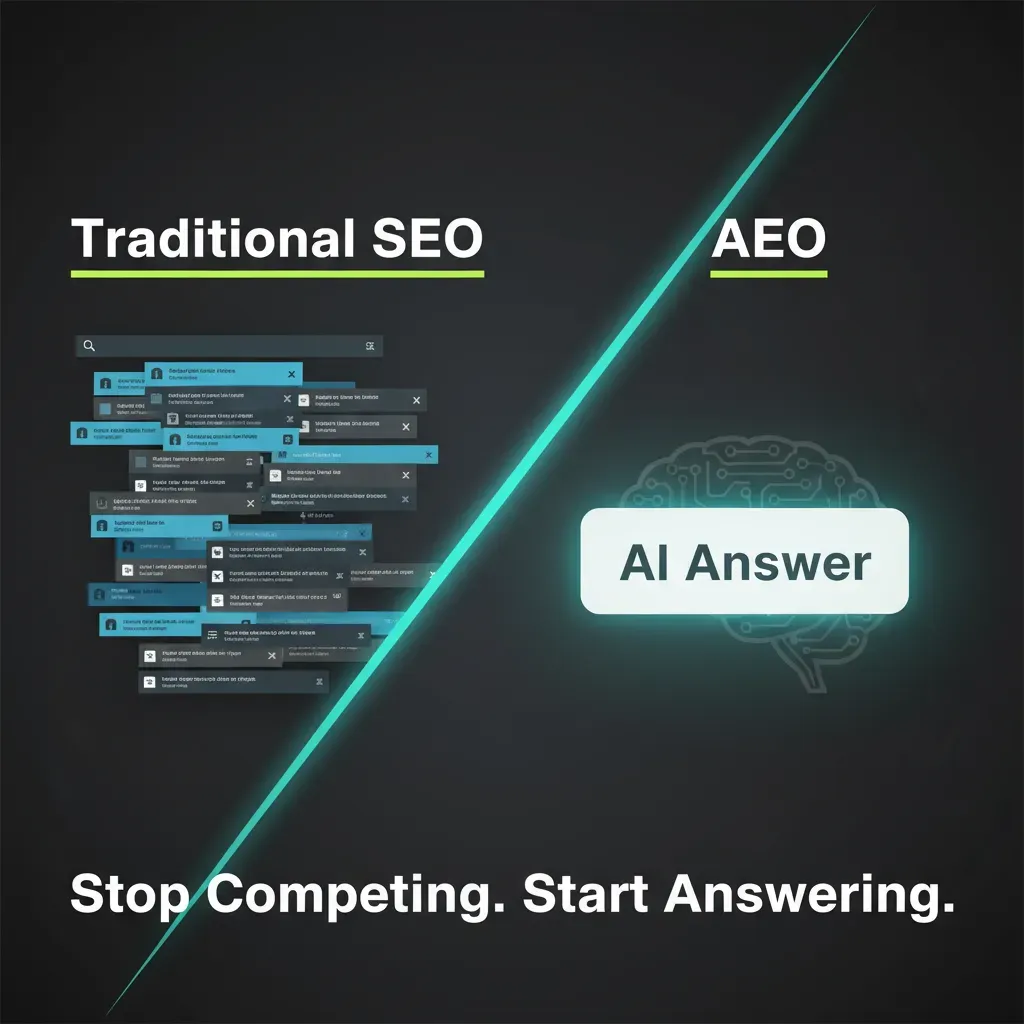
Stop competing and start answering. Get your free AEO Action Plan today and discover how we can help you attract more high-value customers.
Stop competing and start answering. Get your free AEO Action Plan today and discover how we can help you attract more high-value customers.