Dominating the AI-Search Era: How Answer Engine Optimization (AEO) Can Transform Your Business in 2025
In a digital landscape where search results are increasingly curated by AI-powered engines and voice assistants, simply ranking on page one of Google isn’t enough anymore. With Answer Engine Optimization (AEO) you position your brand as the authoritative answer—capturing the spotlight of tools like ChatGPT, Gemini and Perplexity before your competitors even appear in blue links. At AEO Growth Agency, we help businesses stop being just found, and instead become chosen.
What Is AEO? A Beginner’s Guide to Answer Engine Optimization
Unlocking AEO: Your Beginner's Guide
Answer Engine Optimization (AEO) is about making your content the go‑to response for systems that return direct answers—voice assistants, AI chat tools, and answer-first search features. It does this by structuring short, verifiable responses and supplying clear signals—structured data, concise answers, and source authority—so engines can parse and present your content as the single best reply. This guide explains what AEO is, how it contrasts with traditional SEO, practical tactics for voice and AI-driven surfaces, and measurement approaches you can apply now. You’ll get concrete steps—recommended schema, content patterns that trigger answer features, and KPIs that show impact—plus examples and quick checklists to put into practice. The article walks through five core areas: AEO mechanics, why it matters, step‑by‑step optimization, AI’s role in answer generation, and common challenges with measurement and remediation. Throughout, we layer semantic SEO techniques—vocabulary variants, knowledge‑graph thinking, and schema guidance—so you can plan both content and measurement for answer-driven discovery.
What Is AEO and How Does It Work?
Answer Engine Optimization is the craft of formatting content so answer engines can extract, synthesize, and surface concise, citation-ready replies. It combines clear question–answer phrasing, structured data, and source signals so engines favor your content as the authoritative response. Engines interpret query intent from context signals, then match short, well‑structured passages that solve the user’s task with minimal friction—improving click-throughs and completion rates. AEO prizes single‑answer clarity and verifiable context over long‑form ranking, which makes the initial content block (the first 50–60 words or a short Q&A) essential. Adopting AEO shifts editorial focus toward answer-first writing, explicit schema markup, and editorial QA that highlights factual patterns. These mechanics naturally lead to specific marketing implications and the ways AEO drives measurable visibility, which we cover next.
What Does AEO Mean in Digital Marketing?
From a marketing perspective, AEO turns content into direct answers that shape user journeys—boosting visibility in answer features and improving conversion metrics like qualified leads and micro-conversions. When answer engines pick your content as the immediate response, your brand claims prominent real estate that builds authority and shortens the path to conversion for intent-rich queries. For example, a local service that appears in a voice response can capture high‑intent leads by giving a short service description plus a clear next step—like booking details or contact options—making conversions more efficient. Mapping user intent—informational, navigational, transactional—to answer formats ensures each asset is optimized for the outcome you want. In short, AEO ties content structure directly to measurable business results, not just technical SEO wins.
How Does Answer Engine Optimization Differ from SEO?
AEO and traditional SEO both aim for discoverability, but their goals, formats, and KPIs diverge. SEO focuses on ranked visibility across many results—favoring depth, backlinks, and topical breadth—while AEO targets discrete answer units designed to be selected as the single response. Where SEO leans on comprehensive pages and authority signals, AEO prioritizes concise answers, schema markup, and clear citation cues that help engines synthesize responses. Typical AEO metrics include answer impressions, answer clicks, featured answer position, and answer‑to‑site transition rates; SEO metrics emphasize organic traffic, keyword rankings, and backlink profiles. Editorial briefs should reflect those differences: AEO briefs call for short, authoritative lead-ins and structured Q&A; SEO briefs emphasize depth and internal linking. Treating them as complementary lets teams serve both traditional ranking and answer surfaces effectively.
Why Is AEO Important for Modern Search Engines?
AEO matters because modern search behavior and engine capabilities increasingly favor concise, authoritative answers that complete tasks faster than multi-link SERPs. With voice assistants, chat-based search, and AI summaries on the rise, users expect instant, actionable responses backed by credible sources—making structured answers a competitive advantage. For businesses, AEO delivers higher‑quality engagement by matching intent precisely and removing friction between discovery and conversion, which improves lead generation efficiency. Being answer-ready also boosts downstream traffic quality as generative and conversational search surfaces evolve, creating measurable lifts in qualified leads. These shifts require editorial and technical signals to align—something we address in the optimization section.
Different answer engines prize different attributes; understanding those differences helps you prioritize where to optimize first and which signals to strengthen.
Answer Engine TypeKey AttributePractical ImplicationVoice assistants (e.g., smart speakers)Brevity and local/context signalsUse short, spoken‑style answers and include local markup for local intentSearch SERP answer boxes (featured snippets)Concise, structured snippets with clear sourceFormat answers as lead paragraphs or lists and include authoritative citationsChat-based generative interfacesSource reliability and citation-ready passagesProvide clearly attributed, structured content that supports summarization
Use this table to decide which signal to emphasize for your target answer surface. Your primary surface determines content format, markup choices, and measurement priorities.
How Does AEO Improve Search Result Accuracy?
AEO improves accuracy by supplying answer engines with well‑structured evidence that matches precise user intent, reducing ambiguity and false positives. Structured data and explicit Q&A formatting give engines the metadata and canonical statements they need to disambiguate polysemous queries and apply context like location or time. For example, date‑scoped language and event schema stop stale answers; FAQ schema highlights short passages that directly answer common questions. Clear, authoritative sentences increase the chance an engine will select your content as the primary answer rather than synthesizing an unverified response. These practices lower user friction and enhance the perceived reliability of surfaced answers, supporting stronger downstream engagement and trust.
As AI in search becomes more advanced, content quality and structure are increasingly decisive for accurate answer generation.
AI-Driven Search and the Rise of Answer Engine Optimization
How AI‑powered search is reshaping SEO and elevating Answer Engine Optimization as a core visibility strategy
What Are the Key Benefits of Implementing AEO?

Implementing AEO delivers measurable improvements across visibility, user experience, and conversions—outcomes that align with lead‑generation and information‑hub goals. AEO boosts your chance of appearing in voice responses and featured snippets, attracts higher‑intent traffic, and positions your organization as an authoritative source. It also makes content easier to reuse for AI summaries and shortens users’ time‑to‑task, which lifts conversion rates for high‑intent queries. Below are concrete benefits tied to measurable outcomes.
Increased Answer Visibility: Greater placement in featured snippets and voice responses increases answer impressions.
Higher‑Quality Traffic: Visitors from answer features often have stronger intent, improving conversion likelihood.
Authority and Trust Signals: Structured, citation‑ready content strengthens your brand’s credibility across AI and search surfaces.
These gains map to KPIs—answer impressions, answer clicks, and conversion lift—that marketing teams can track and act on. AEO supports both immediate discovery and long-term authority building.
How Can You Optimize Content for AEO?
Focus AEO work on three moves: put a concise answer near the top of the page, add the right structured data, and write for conversational phrasing so voice and chat systems can match queries. Start with a succinct direct answer in the first visible content block (a 50–60 word lead or a short bullet), then add supporting context and citations that show authority. Add relevant schema types—FAQ, HowTo, QAPage, Article—so engines can detect discrete answer units. Finally, adapt copy to natural language queries, include question variants, and optimize for mobile speed and accessibility so assistants can fetch and read answers quickly. Together, these actions create the signal set answer engines use to find and present your content as the top answer.
Below is a practical mapping of common content assets to schema and recommended actions to make pages answer-ready.
Content AssetSchema TypeRecommended ActionFAQ pageFAQPageMark each Q&A with FAQ schema and start each answer with a single clear sentenceHow-to guideHowToUse step markup and include a short summary at the top that answers the core how‑to questionArticle or blog postArticle / NewsArticleProvide a concise lead paragraph (50–60 words) that answers the main query and include metadata like author and date
This mapping shows which schema to use for each format and how to structure the page top for answer extraction. Applying these actions increases eligibility for answer features and supports AI summarization.
What Are Effective Voice Search Optimization Strategies?
Voice search optimization means writing in natural, spoken phrasing, anticipating follow‑ups, and tuning for local and device signals. Lead with a short, declarative sentence a voice assistant can speak without losing meaning, then add a brief explanatory paragraph for users who want more. Include conversational variants of the same question and structure content to answer both the immediate question and likely follow-ups. Prioritize page speed, mobile responsiveness, and concise metadata so devices can retrieve and vocalize answers quickly. These steps prepare content for single‑turn voice answers and multi‑turn conversational sessions.
Do use question-first headings and short lead sentences that match spoken queries.
Do include follow-up Q&A on the same page to support multi-turn interactions.
Don’t bury the short answer deep in long paragraphs where engines can’t easily extract it.
These tactics keep content usable for voice assistants and conversational engines while preserving a clear path from answer to deeper resources.
How Does Structured Data Help with AEO?
Structured data gives answer engines the explicit signals they need to spot answerable content, improving eligibility for featured snippets, knowledge panels, and voice responses. Key schema types for AEO include FAQPage, QAPage, HowTo, Article, and LocalBusiness for location‑based answers; they clarify intent, authorship, and scope. Tag short answers, steps, and question fields rather than entire long sections, and validate with structured data testing tools so parsers can read your markup. Add clear citation signals—author, date, and reputable references—so generative models and chat engines can attribute answers to trustworthy sources. Proper schema increases the chance of being selected as an answer and helps maintain accuracy when AI systems synthesize multiple sources.
Audit content before rolling out schema broadly: focus first on high‑intent pages that are already close to being answer-ready for faster impact.
How Does AI Influence Answer Engine Optimization?
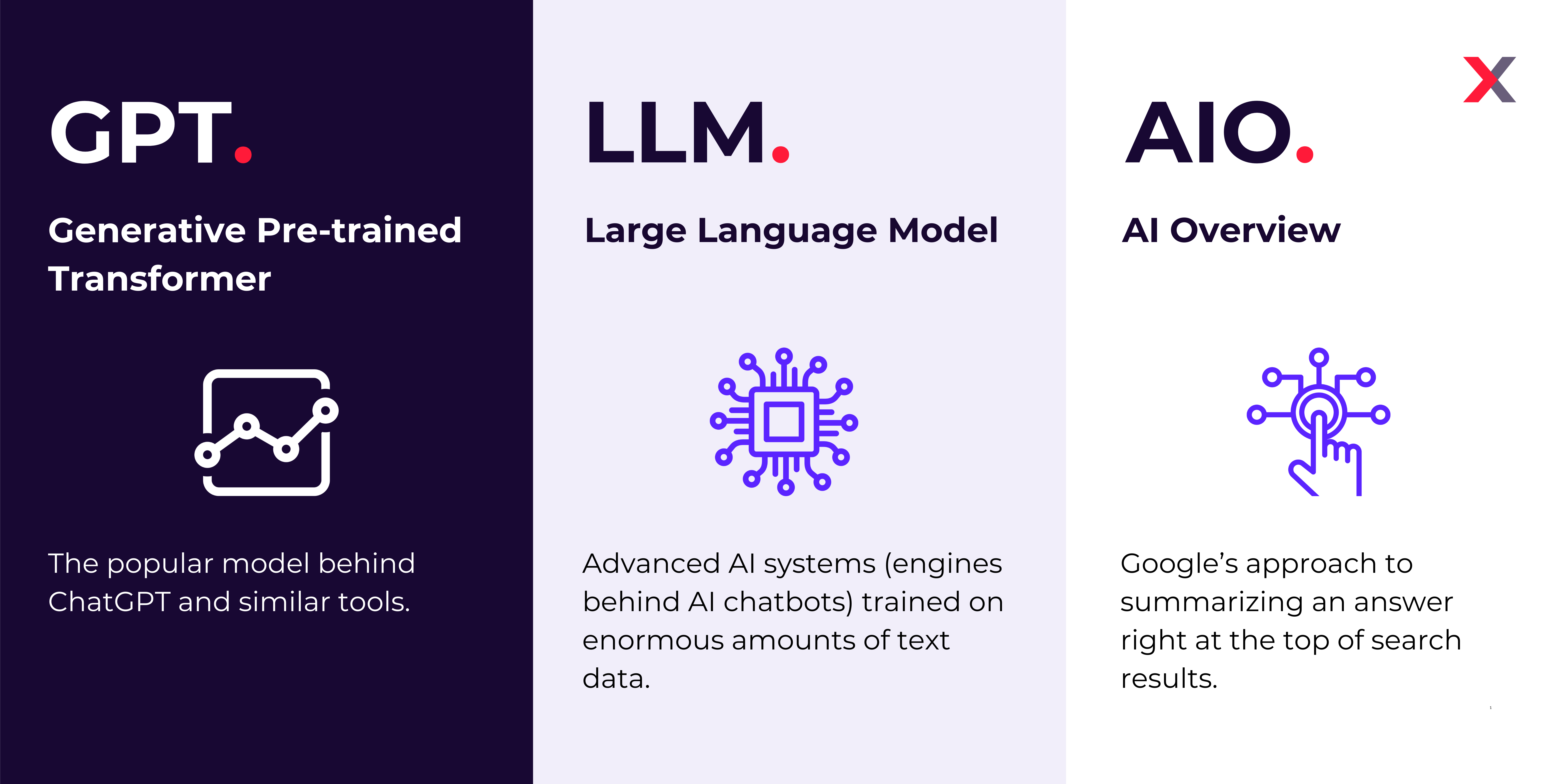
AI and large language models have changed how answer engines produce responses: rather than just extracting snippets, engines increasingly synthesize answers from multiple sources, which raises the bar for clear, citable content. LLMs favor concise, well‑structured passages that include explicit facts and source signals. That means AEO‑optimized content must be concise, context‑rich, and clearly attributable so it’s not sidelined by alternative sources. Including verifiable facts, structured metadata, and citation‑ready passages makes it more likely generative systems will reference your content in synthesized responses. These shifts require editorial changes to prioritize answerability and source clarity.
As AI reshapes search, AEO becomes essential to modern SEO strategy.
AI-Driven Search and the Rise of Answer Engine Optimization
How AI‑powered search is changing SEO and making answer-focused content central to discoverability
What Role Does Artificial Intelligence Play in AEO?
AI interprets queries, ranks and synthesizes passages, and generates the answers users see—so clear, evidence-based passages that can be cited are in higher demand. LLMs evaluate sentences at the token level to find the lines that best answer a question, so concise, declarative sentences with supporting context increase selection chances. AI also uses entity and knowledge‑graph signals to resolve ambiguity and add context. Aligning content to be both human-friendly and machine-citable raises the odds your material will be used by AI‑driven answer surfaces. That’s why editorial QA and structured metadata are core requirements for AEO success.
How to Adapt Your SEO Strategy for AI-Powered Search Engines?
Make three practical changes: update briefs to prioritize answer‑first language, add mandatory citation and schema steps to editorial checklists, and track answer-specific KPIs. Rewrite briefs so the first sentence directly answers the query, require schema markup at publish, and ask authors to include source links and short evidence notes for factual claims. Train editors to produce both the short answer and the supporting context that provides attribution. Run A/B experiments on different answer phrasings and monitor answer impressions and clicks to iterate. These process shifts help organizations stay visible as AI‑powered search evolves.
What Are Common Challenges and Best Practices in AEO?
Common AEO pitfalls include burying the short answer, using incomplete or incorrect schema, and failing to measure answer performance. Fixing these requires governance, editorial QA, and focused measurement frameworks. Often teams treat AEO as a technical add‑on instead of an editorial practice, which creates inconsistent answer quality and missed opportunities. Adopt a best‑practice checklist with content selection criteria, schema templates, and an experimentation plan tied to KPIs. Ongoing governance and iteration are essential as answer engines and AI models change.
Below is a table that maps typical challenges to the metric to watch and a recommended fix teams can act on immediately.
Implementation ChallengeMetric to MonitorRecommended FixAnswers buried in contentAverage time‑to‑first‑answer / answer extraction rateReformat pages to place a concise answer at the top and use clear headingsMissing or invalid schemaSchema validation errors / eligibility rate for answer featuresApply schema templates and run prepublish validation checksLow answer‑to‑site engagementAnswer clicks / CTR from answer featuresClarify CTAs and add supportive context below the answer
This remediation map helps teams prioritize fixes that deliver measurable gains and supports a continuous improvement loop for AEO.
What Are Typical Mistakes to Avoid in AEO?
Frequent mistakes include overlong lead answers, missing or incorrect structured data, ignoring conversational phrasing, and failing to provide citation signals AI systems trust. Each error lowers the chance your content is picked as the authoritative answer. Avoid these by keeping lead answers short and direct, validating schema on every page, including at least one reputable citation, and writing Q&A in the language users actually speak. Also don’t neglect performance—mobile speed and accessibility matter because device constraints affect answer selection. Fixing these issues improves both immediate answer eligibility and long‑term authority.
How to Measure the Success of Your AEO Efforts?
Measure AEO with a focused set of KPIs—answer impressions, answer clicks (CTR from answer features), conversion rate for answer-driven sessions, and position within answer features—combined with qualitative checks on citation and content accuracy. Segment analytics to separate traffic from answer features versus standard organic results and track engagement and conversion behavior for those segments. Recommended KPIs include:
Answer Impressions: How often your content appears in answer features.
Answer Clicks / CTR: Share of impressions that lead to site clicks or deeper engagement.
Conversion Rate from Answer Traffic: Leads or transactions from answer-driven sessions.
Answer Feature Position: Whether content appears as the primary answer or as an alternative source.
Run weekly checks during rollout and monthly deep dives to spot trends, and pair quantitative tracking with manual audits of featured answers to ensure accuracy and avoid regressions. This measurement routine drives iteration and keeps AEO aligned with business goals.
If you prefer external help, GrowWithAEO offers audits, content strategy, and hands‑on implementation tailored to answer‑driven discovery. Their services identify high‑opportunity assets, map schema and editorial changes, and set up KPI tracking so you can accelerate results without reinventing internal processes. Reach out through their contact channel to request an AEO readiness audit and a prioritized tactical plan tied to lead‑generation objectives.
Typical Reporting Cadence and Tools
AEO reporting works best with mixed cadences: weekly checks for answer impressions and indexing issues, monthly performance reports for CTR and conversion trends, and quarterly strategy reviews to adapt to engine or AI feature changes. Use search-console‑style data for answer impressions, analytics for conversion attribution, and structured‑data validators for technical health. Combine automated monitoring with periodic manual audits to maintain scale and quality. These routines keep AEO performance stable and continuously improving.
For a practical next step, consider an AEO readiness audit to identify your highest‑value answer opportunities, recommend schema templates, and create a prioritized editorial roadmap—services GrowWithAEO provides as part of its lead‑generation and information‑hub support.
Frequently Asked Questions
What types of content are best suited for AEO optimization?
FAQ pages, how‑to guides, and concise, answer‑focused articles are the most effective formats for AEO. These layouts let you present clear question‑and‑answer pairs that engines can extract easily. Applying structured data like FAQPage and HowTo schema further increases the chances your content appears as direct answers in voice assistants and search results.
How can businesses measure the impact of AEO on their marketing efforts?
Track answer‑specific KPIs: answer impressions, answer clicks, and conversion rates from answer‑driven sessions. Measuring how often your content appears in answer features and how users engage lets you evaluate AEO effectiveness. Also monitor your content’s position within answer features to gauge authority and refine optimizations.
What are some common pitfalls to avoid when implementing AEO?
Common pitfalls include hiding concise answers in long pages, skipping structured data, and not using conversational phrasing. To avoid these, place a short answer at the top of the page, validate schema markup, and write in the language users speak—this raises the likelihood of being selected as the authoritative answer.
How does AEO affect user experience on websites?
AEO improves user experience by delivering quick, relevant answers that reduce time spent searching. Well‑optimized answer content helps users complete tasks faster, increases satisfaction, and often leads to higher engagement and conversions. Over time, consistently accurate answers also build trust in your brand.
What role does structured data play in AEO success?
Structured data is essential: it explicitly tells engines where the answerable content lives and what it means. Using schema types like FAQPage, HowTo, and Article clarifies intent and context, improving chances to appear in featured snippets and voice responses and strengthening your visibility and authority.
How can businesses adapt their content strategy for voice search optimization?
Write in natural, conversational language and anticipate follow‑ups. Start with a clear, brief response, then offer supporting context. Optimize for local signals and mobile responsiveness so voice assistants can retrieve and read answers quickly. These steps increase your visibility in voice search.
What are the benefits of using AEO in digital marketing?
AEO increases visibility in answer features, improves engagement with higher‑intent users, and raises conversion rates by shortening the path to action. By optimizing content to be authoritative answers, businesses attract qualified traffic and build credibility—delivering measurable marketing outcomes aligned with modern search behavior.

Don't Get Left Behind
What happens if you ignore this shift in marketing? You'll continue to fight for scraps in an overcrowded SEO landscape. You'll miss out on the highest-quality customers. And you'll watch as your competitors who embrace AEO leave you behind.
Ready to Grow Your Business with AEO?
Stop competing and start answering. Get your free AEO Action Plan today and discover how we can help you attract more high-value customers.
Stop competing and start answering. Get your free AEO Action Plan today and discover how we can help you attract more high-value customers.