
How to Track AEO Performance: Measuring AI & Voice Search Visibility for Small Businesses
How to Track AEO Performance: Measuring AI & Voice Search Visibility for Small Businesses
Small businesses must adapt as AI and voice search change how customers discover services. Tracking AEO (Answer Engine Optimization) performance is essential to keep visibility and stay competitive, especially as businesses invest more in AEO marketing strategies that help them appear in AI-driven search results. This article explains the core metrics, practical tools, and assessment strategies for AI and voice-search visibility. Use these sections to improve your online presence and engage your target audience. We also include measurement tools and case studies that show AEO applied in practice, helping you understand effective AEO marketing strategies.
Research highlights AEO's role in promoting accurate AI-generated information and sustaining a strong digital presence.
AEO's Impact on AI Accuracy & Digital Presence
AbstractThis thesis provides the first indication for the relationship between Answer Engine Optimization (AEO) and AI accuracy for AI-generated quarterly earnings summaries. Given the rapid development of AI models and increasing investor use of such tools, inaccurate AI-generated figures that may arise from poor digital presence could misrepresent a company’s financial position to investors.
Does website optimization influence AI accuracy? The role of answer engine optimization, 2026
Key Metrics
Track specific metrics to measure AEO performance and reveal where visibility can improve. Key indicators include:
AI Citation Rate: This metric measures how often a business is cited in AI-driven search results, indicating its relevance and authority in the digital space.
Voice Search Presence: This refers to the visibility of a business in voice search results, which is increasingly important as more users rely on voice-activated devices.
Conversion Rate: This metric tracks the percentage of users who take a desired action after interacting with AI search results, providing insight into the effectiveness of AEO strategies.
Monitoring these indicators helps you assess performance and prioritise actions to boost visibility in AI and voice search.
Effective Tools
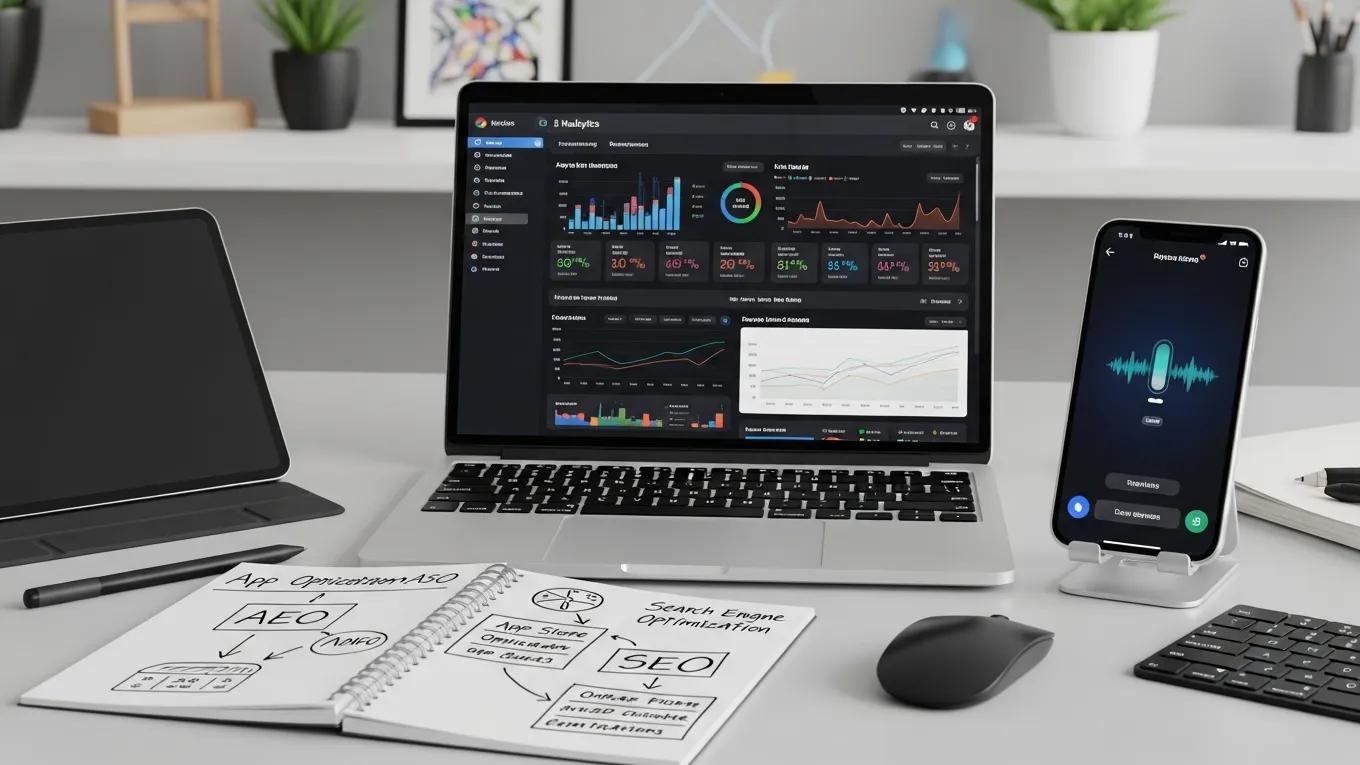
The right platforms make AEO measurement practical. Use tools that surface impressions, clicks, behaviour, and ranking data to guide optimisation. Useful options include:
Google Search Console: This free tool provides insights into how a website performs in Google search results, including data on impressions, clicks, and average position.
Analytics Platforms: Tools like Google Analytics offer comprehensive data on user behavior, helping businesses understand how visitors interact with their site after finding it through AI search.
SEO Tools: Platforms such as SEMrush and Moz provide valuable insights into keyword rankings, backlinks, and overall "SEO performance", which are crucial for AEO success.
Small businesses can gain a competitive edge by leveraging these tools to inform AEO decisions.
Strategies for Assessment
Assessing AEO requires a systematic approach across content, technical SEO, and user experience. Effective strategies include:
Content Optimization: Regularly updating and optimizing content for AI and voice search can significantly improve visibility. This includes using natural language and answering common questions.
Regular Audits: Conducting periodic audits of your website and content can help identify areas for improvement and ensure alignment with current SEO best practices.
Monitor User Paths: Understanding how users navigate your site after finding it through AI search can provide insights into their behavior and preferences, allowing for more targeted marketing efforts.
Apply these strategies to improve AEO performance and increase visibility in search results.
What Are the Key Metrics for Measuring AI Search Visibility?
Measuring AI search visibility means tracking a few targeted metrics that reflect presence and impact. Key measures include:
AI Citation Rate: This metric indicates how frequently a business is mentioned in AI-driven search results, reflecting its authority and relevance.
Voice Search Presence: This measures the visibility of a business in voice search results, which is crucial as "voice search" continues to grow in popularity.
Conversion from AI Traffic: Tracking the conversion rate of users who arrive via AI search helps businesses understand the effectiveness of their AEO strategies.
Focus on these metrics to form a clear, data-driven view of your AI search visibility and guide optimisation choices.
Which SEO Performance Metrics Indicate AEO Success?
Use established SEO metrics to evaluate AEO outcomes. Important signals include:
Click-Through Rate (CTR): A higher CTR suggests that users find your content relevant and engaging, which is essential for AEO success.
User Engagement Metrics: Metrics such as bounce rate and average session duration provide insights into how users interact with your site, helping to assess the effectiveness of your content.
Monitoring these metrics helps you adjust content and technical tactics to improve visibility.
How to Interpret Click-Through Rate and Impressions in AI Search?
CTR and impressions are core signals for AI search performance. Interpret them as follows:
Click-Through Rate (CTR): This metric indicates the percentage of users who click on your link after seeing it in search results. A high CTR suggests that your content is appealing and relevant to users.
Impressions: This metric measures how often your content appears in search results. A high number of impressions with a low CTR may indicate that while your content is visible, it may not be compelling enough to encourage clicks.
Analyze CTR and impressions to judge content appeal and refine AEO tactics where visibility does not convert into clicks.
Which Tools and Platforms Best Track AI Search and Voice Search Performance?
Several established platforms provide the data needed to track AI and voice-search outcomes. Key options include:
SEMrush: This comprehensive SEO tool provides insights into keyword rankings, site audits, and competitive analysis, making it invaluable for tracking AEO performance.
Moz: Known for its user-friendly interface, Moz offers tools for tracking keyword performance and site optimization, helping businesses improve their visibility in AI search.
Google Search Console: This essential tool provides data on how a website performs in Google search, including insights into impressions, clicks, and average position.
Use these platforms to collect consistent data and evaluate AI and voice-search performance.
How Do Voice Search Analytics Platforms Measure Traffic Effectively?
Voice-search analytics rely on targeted KPIs and measurement methods to capture traffic sources and impact. Common approaches include:
Keyword Tracking: Monitoring the performance of voice search keywords helps businesses understand which queries lead to traffic.
User Behavior Analysis: Analyzing how users interact with voice search results provides insights into their preferences and behaviors.
Conversion Tracking: Measuring conversions from voice search traffic helps businesses assess the effectiveness of their AEO strategies.
Leverage these methods to diagnose voice-search performance and make informed, data-driven improvements.
How to Benchmark and Analyze AEO Performance Using Industry Standards?
Benchmark AEO by comparing your key metrics with competitors and top performers to set realistic targets. Consider these factors:
Keyword Rankings: Comparing your keyword rankings with those of competitors can provide insights into your relative performance.
Search Volume: Understanding the search volume for relevant keywords can help businesses gauge the potential traffic they could receive.
Analyzing these areas lets you identify gaps, set priorities, and improve your visibility relative to peers.
What Are the Common Benchmarking Metrics for AI and Voice Search?

Common benchmarking metrics for AI and voice search include:
User Engagement: Metrics such as bounce rate and average session duration provide insights into how users interact with your content.
AI Citation Rate: This metric indicates how often your business is mentioned in AI-driven search results, reflecting its authority and relevance.
Voice Search Presence: Measuring visibility in voice search results is crucial as this technology continues to grow in popularity.
Focus on these metrics to benchmark AEO performance and target the areas that will move the needle.
How to Use Performance Dashboards to Track AEO Progress?
Performance dashboards visualise key metrics and make trends easier to spot. To use them effectively, follow these steps:
Define KPIs: Establishing clear key performance indicators (KPIs) is essential for measuring AEO success.
Select Tools: Choosing the right tools for data visualization can enhance the effectiveness of your performance dashboard.
Dashboards help you monitor progress over time and support data-driven decisions to improve AEO visibility. For more on setting up effective dashboards and tracking, explore our detailed AEO marketing resources.
What Are Practical Case Studies Demonstrating AEO Success for Small Businesses?
Case studies illustrate how AEO delivers measurable results. For example, a local service provider that optimised content for voice search experienced a clear uplift in traffic and conversions. By targeting relevant keywords and answering common questions, the business improved its AI search visibility.
These examples show practical AEO steps you can apply to strengthen your online presence.
How Have Small Businesses Improved Visibility with AI SEO Tracking Methods?
Small businesses have improved visibility by adopting AI SEO tracking and actionable reporting. Tools like Google Search Console and SEMrush supply the data needed to refine content and technical work.
For instance, a small e-commerce store that regularly monitored its keyword rankings and adjusted its content accordingly saw a marked increase in organic traffic and sales. This highlights the importance of utilizing AI SEO tracking methods to stay competitive in the digital landscape.
What Lessons Can Be Learned from Voice Search Optimization Case Studies?
Voice search optimization case studies reveal several key lessons for small businesses. These include:
Focus on Natural Language: Optimizing content for natural language queries can significantly improve visibility in voice search results.
Answer Common Questions: Providing clear answers to frequently asked questions can enhance user engagement and improve search rankings.
Monitor Performance Regularly: Regularly tracking performance metrics is essential for identifying areas for improvement and ensuring ongoing success.
Apply these lessons to strengthen voice-search optimisation and improve overall AEO outcomes. For more insights on voice search strategies, visit our voice search marketing guide.
How to Implement and Monitor AEO Measurement Dashboards Effectively?
Implementing and monitoring AEO dashboards requires a clear plan and repeatable process. Key steps include:
Identify Key Metrics: Determine which metrics are most relevant to your AEO goals.
Select Appropriate Tools: Choose tools that provide the necessary data visualization capabilities.
Regularly Review Performance: Consistently monitoring performance metrics allows businesses to make informed decisions and adjust their strategies as needed.
Follow these steps to implement dashboards that track progress and help you improve visibility over time.
What are the best practices for Setting Up AI and Voice Search Tracking Dashboards?
Setting up AI and voice search tracking dashboards requires careful planning and execution. Best practices include:
Define KPIs: Establish clear key performance indicators to measure success.
Utilize Analytics Tools: Leverage analytics tools to gather and visualize data effectively.
Regularly Update Dashboards: Keeping dashboards updated with the latest data ensures that businesses have accurate insights into their performance.
By following these best practices, businesses can create effective tracking dashboards that provide valuable insights into their "AEO performance".
Frequently Asked Questions
What is AEO and why is it important for small businesses?
Answer Engine Optimization (AEO) is the set of tactics used to improve how a business appears in AI-driven search results. For small businesses, AEO makes it easier for potential customers to find you via voice and AI tools. Better AEO can increase traffic, engagement, and conversions.
How can small businesses improve their AI Citation Rate?
Raising AI Citation Rate means boosting your authority and relevance. Produce high-quality content that answers common queries. Use local SEO tactics like earning backlinks from reputable local sites and keeping consistent NAP (Name, Address, Phone Number) data across platforms to increase citations in AI search results.
What role does content optimization play in AEO performance?
Content optimization is central to AEO. Tailor content to answer specific questions in natural language, update it regularly, and include relevant keywords. This improves chances of being surfaced by AI systems, attracts more visitors, and increases engagement and conversions.
How often should small businesses conduct audits for AEO performance?
Conduct AEO audits at least quarterly. Regular audits reveal improvement areas and ensure your site aligns with current SEO best practices and user expectations. During audits, check keyword rankings, user engagement metrics, and the effectiveness of your AEO actions so you can adjust promptly.
What are some common mistakes to avoid in AEO strategies?
Common mistakes include neglecting mobile optimization, not using natural language in content, failing to update information, overlooking local SEO, and not tracking metrics consistently. Avoiding these errors helps improve AEO effectiveness and online visibility.
How can small businesses leverage social media for AEO?
Use social media to share content that drives traffic to your site. Run Q&A sessions, polls, and discussions to surface common customer questions you can address in content. Social platforms also build brand authority and increase citations that support AEO.
What is the significance of user behavior analysis in AEO?
User behavior analysis shows how visitors interact with your site after arriving via AI search. Track user paths, bounce rates, and engagement to identify what content works and what needs improving. Use this data to target content and marketing efforts for better AEO results.